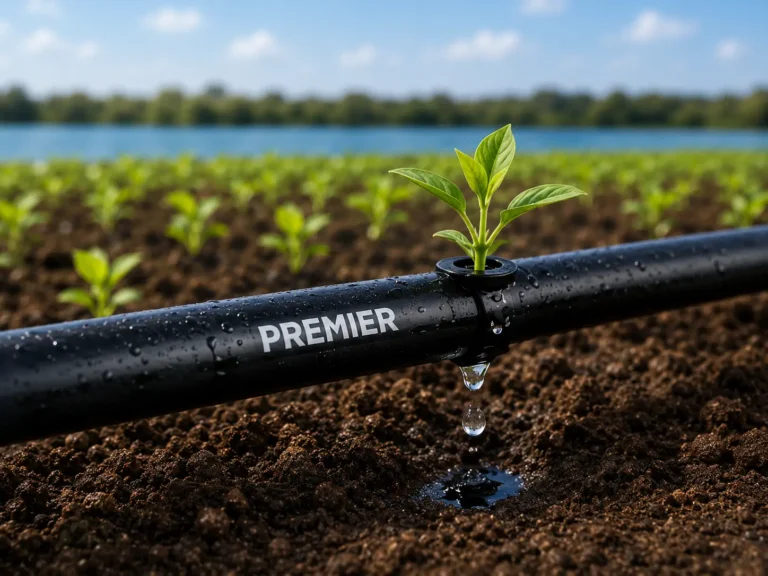
Modern agriculture depends heavily on efficient water management, and HDPE (High-Density Polyethylene) pipes have become one of the most trusted solutions for irrigation and water transportation systems. Known for their durability, flexibility, and long service life, HDPE pipes are widely used in agricultural applications such as drip irrigation, sprinkler systems, borewell connections, and water supply networks. Choosing the right HDPE pipes is essential for ensuring better crop productivity, reducing water wastage, and maintaining long-term operational efficiency.
One of the major advantages of HDPE pipes is their exceptional strength and resistance to harsh environmental conditions. Agricultural fields are exposed to extreme sunlight, changing temperatures, moisture, and soil movement, making it important to use piping systems that can withstand these challenges. HDPE pipes are corrosion-resistant, leak-proof, and highly durable, making them ideal for both underground and surface-level irrigation systems.
When selecting HDPE pipes for agricultural use, the first factor to consider is pipe quality. High-quality pipes manufactured using premium raw materials ensure better pressure handling, durability, and long-term reliability. Pipes should also comply with industry quality standards to guarantee safe and efficient performance.
The next important consideration is pressure capacity. Different farming applications require different water pressure levels. Drip irrigation systems generally require controlled low-pressure water flow, while sprinkler irrigation and water transportation systems may need higher pressure handling capabilities. Choosing pipes with the correct pressure rating ensures smooth operation and prevents leakage or pipe damage.
Pipe flexibility is another major benefit of HDPE pipes. Agricultural lands often have uneven terrain, curves, and difficult installation areas. HDPE pipes are flexible enough to adapt to these conditions, making installation easier and reducing the need for multiple joints and fittings. Fewer joints also mean lower chances of leakage and maintenance issues.
Leak-proof performance is critical in agriculture because water conservation has become increasingly important. HDPE pipes provide secure jointing systems that minimize water loss and improve irrigation efficiency. This helps farmers utilize water resources more effectively while reducing operating costs.
HDPE pipes are also lightweight compared to traditional piping materials, which makes transportation and installation simpler and more cost-effective. Their lightweight structure allows faster installation, saving both labor and time during large agricultural projects.
Another important advantage is their long service life. High-quality HDPE pipes can perform efficiently for many years with minimal maintenance. Their resistance to chemicals, rust, and soil corrosion makes them a reliable long-term investment for farmers and agricultural industries.
In modern farming, drip irrigation systems are becoming increasingly popular because they deliver water directly to plant roots, improving water efficiency and crop growth. HDPE pipes are widely used in drip irrigation due to their flexibility, strength, and ability to maintain consistent water flow. They help improve crop yield while reducing unnecessary water consumption.
At Premier Pipes, we manufacture premium-quality HDPE pipes designed to meet the demanding needs of modern agriculture. Using advanced manufacturing technology and strict quality control standards, our pipes deliver superior durability, leak resistance, and reliable performance for various irrigation and water management applications.
With over three decades of industry experience, Premier Pipes continues to support farmers and agricultural projects with dependable piping solutions that contribute to sustainable farming and efficient water management across India.